
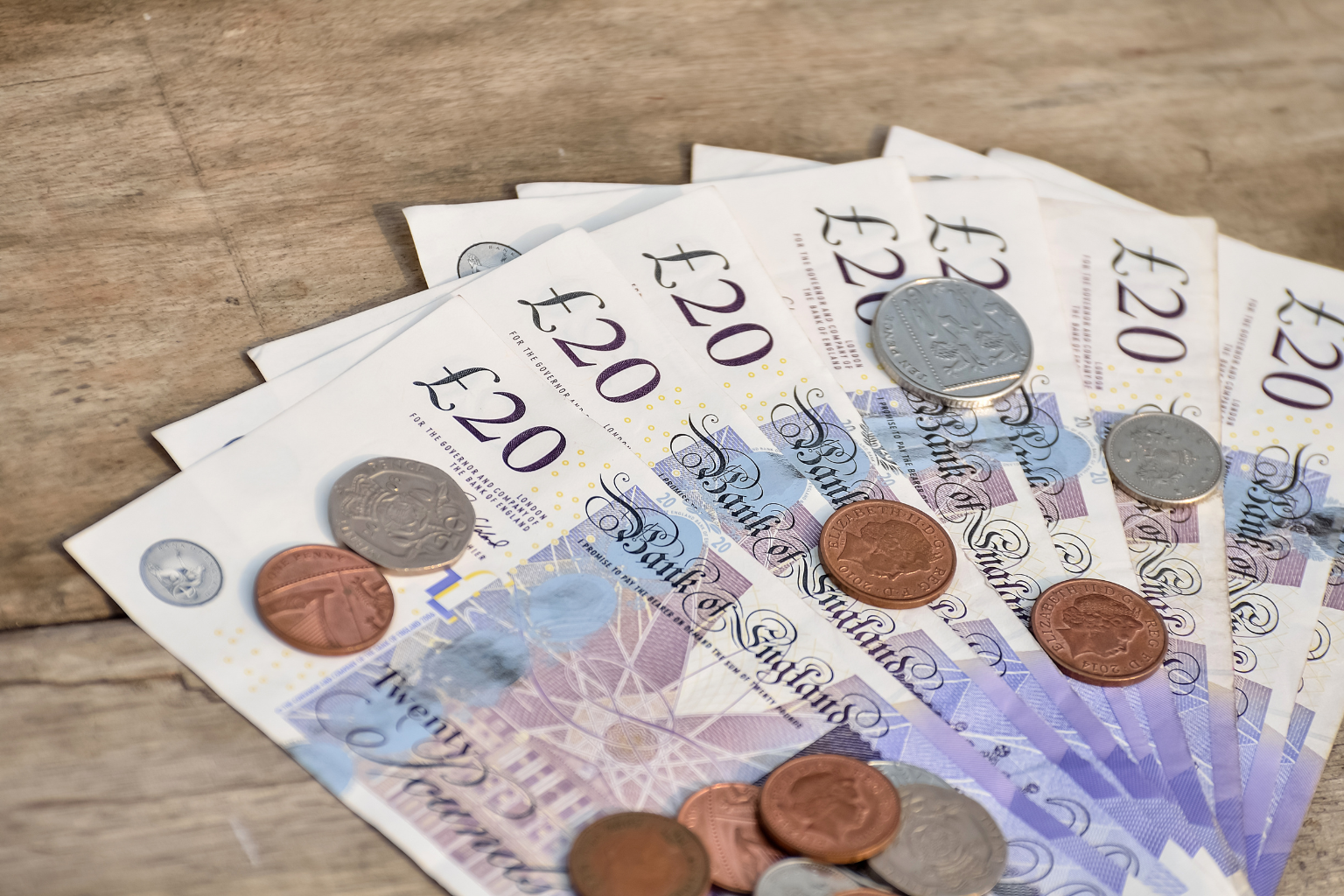
Moving to the United Kingdom is exciting, but it is also one of the more expensive expat moves in Europe. Many people underestimate how much money they need before arriving, focusing only on rent or flights and overlooking the upfront costs that hit all at once. The reality is that the UK requires strong financial preparation, especially during the first three to six months.
How much money you really need depends on where you live, your visa type, whether you are moving alone or with family, and whether you already have employment secured. What matters most is not surviving your first month, but having enough financial buffer to settle in without constant stress.
Understand That the UK Is Front-Loaded With Costs
The UK is expensive at the beginning. Even people with good salaries often struggle during their first months because many costs must be paid before regular income stabilises. These include visa fees, housing deposits, initial transport, and daily living expenses before your first full paycheck arrives. Planning for these upfront costs is essential.
Visa and Immigration Costs Add Up Quickly
UK visas are among the most expensive in the world. Application fees vary by visa type, but many expats pay thousands before they even arrive. On top of the visa fee, most long-term visas require payment of the Immigration Health Surcharge, which covers access to the NHS. These costs are paid upfront and are non-refundable if plans change, so they should be treated as sunk costs in your budget.
Flights and Initial Travel Expenses
Flights to the UK vary by location and season, but they are only part of your travel costs. Airport transfers, temporary accommodation, luggage fees, and food during your first days add to the total. Many expats underestimate how expensive their first week feels simply because everything is unfamiliar and paid for out of pocket.
Temporary Accommodation Is Often More Expensive Than Expected
Most expats do not move straight into permanent housing. Hotels, serviced apartments, or short-term rentals in the UK are expensive, especially in London and the South East. Even modest accommodation can cost significantly more per month than long-term rent, and stays often last longer than planned due to housing competition.
Housing Deposits and Upfront Rent
To rent in the UK, you typically need to pay a security deposit plus at least one month of rent upfront. In competitive areas, landlords may ask for several months of rent in advance, particularly if you are new to the country or do not yet have UK credit history. This alone can require several thousand pounds before you even receive keys.
Cost Differences Between London and the Rest of the UK
Location has a massive impact on how much money you need. London is significantly more expensive than cities like Manchester, Birmingham, Leeds, or Glasgow. Rent, transport, childcare, and even groceries are higher in the capital. If you are moving to London, your financial buffer should be noticeably larger than if you are settling elsewhere.
Daily Living Costs During the First Months
Groceries, transport, utilities, and basic household items add up quickly. During your first months, you may spend more than usual as you set up your home, buy clothing suited to the climate, and rely on convenience options while learning local systems. These early expenses are normal but should be planned for.
Transportation Costs Can Surprise New Expats
Public transport in the UK, especially in London, is efficient but expensive. Monthly travel costs can be significant, and many expats underestimate how much commuting eats into their budget. If you plan to drive, vehicle insurance, road tax, and fuel costs can be surprisingly high for newcomers.
Banking Delays Can Affect Cash Flow
Opening a UK bank account often takes longer than expected because of address verification requirements. Until your account is fully set up, you may rely on international cards or digital banks, sometimes with higher fees. Having accessible cash savings helps bridge this gap without stress.
Healthcare Costs Beyond the NHS
While the NHS covers many services, not everything is free or immediate. Dental care, prescriptions, eye care, and private appointments often come with extra costs. Many expats choose private health insurance for faster access, which adds to monthly expenses.
Family Costs Multiply Quickly
If you are moving with a partner or children, costs increase significantly. Larger housing, childcare, school-related expenses, and higher daily living costs all need to be factored in. Families should plan a much larger financial buffer than solo expats.
The Importance of an Emergency Fund
No matter how well you plan, unexpected expenses are common in the UK. Delayed salaries, housing issues, job changes, or personal emergencies can happen at any time. Having at least three to six months of living expenses in savings provides security and flexibility during your adjustment period.
So, How Much Money Is Enough?
While exact numbers vary, a realistic starting point for many single expats is having enough savings to cover visa costs, initial housing expenses, and at least three months of living costs without income. For couples or families, this buffer should be significantly higher. The goal is not luxury, but stability and peace of mind.
Why More Is Almost Always Better
Many expats ask for the minimum amount they can move with, but this mindset often leads to unnecessary stress. The UK rewards preparation. Extra savings give you better housing options, reduce pressure to accept poor job offers, and allow you to focus on settling in rather than constantly worrying about money.
Final Thoughts
Moving to the UK can be a fantastic opportunity, but it is not a cheap transition. The biggest mistake expats make is assuming that a job offer alone guarantees financial security. It is the money you have before you move that determines how smooth your landing will be.
When you budget realistically and give yourself a strong financial cushion, your move to the UK becomes an investment in your future rather than a financial gamble. Preparation does not eliminate challenges, but it gives you control, confidence, and breathing room when you need it most.