
One of the biggest advantages of living in the United Kingdom as an expat is how easy it is to escape for a weekend. Thanks to the UK’s compact size, excellent transport links, and huge regional diversity, you can travel from major cities to mountains, coastlines, historic towns, or cultural capitals in just a few hours.
Whether you’re new to the UK or have been here for years, weekend trips are one of the best ways to truly understand the country beyond daily routines. From iconic landscapes to hidden gems, these short breaks help expats connect with British history, culture, and lifestyle in a meaningful way.
Below are some of the best weekend trips in the UK for expats, chosen for accessibility, variety, and unforgettable experiences.
1. Edinburgh
— A Perfect Blend of History, Culture, and Walkability
Edinburgh is one of the most rewarding weekend trips in the UK for expats, particularly because it delivers so much depth in such a compact, walkable city. Unlike many capitals that require extensive planning and transport, Edinburgh allows you to experience centuries of history, dramatic landscapes, and modern culture within just two or three days—without feeling rushed.
The city’s layout naturally divides into the Old Town and New Town, each offering a completely different atmosphere. The Old Town, centered around the Royal Mile, feels medieval and theatrical, with narrow alleyways (known as closes), stone buildings, and sudden panoramic views. Edinburgh Castle dominates the skyline and is more than just a tourist attraction—it’s a key to understanding Scotland’s national identity, conflicts, and resilience. Even expats who are not particularly history-focused often find the storytelling compelling and surprisingly accessible.
One of Edinburgh’s greatest strengths as a weekend destination is how seamlessly nature integrates into the city. Arthur’s Seat, an ancient volcanic hill, rises directly from the urban landscape and provides one of the best city viewpoints in the UK. The hike is achievable for most fitness levels and rewards you with sweeping views across the city, coastline, and countryside—something rarely possible in major cities.
For expats, Edinburgh also offers cultural familiarity mixed with difference. English is spoken everywhere, systems feel recognizable, yet the accent, traditions, and Scottish identity give the trip a “mini abroad” feeling without leaving the UK. Museums such as the National Museum of Scotland are free and world-class, making cultural exploration accessible regardless of budget.
Food and drink are another highlight. Traditional pubs serve Scottish classics like haggis, Cullen skink, and locally sourced seafood, while newer restaurants showcase modern Scottish cuisine with international influence. Whisky bars offer guided tastings that help demystify Scotland’s most famous export—even for beginners.
From a practical standpoint, Edinburgh is extremely easy to reach by train from most major UK cities, and once there, you rarely need public transport. This makes it ideal for expats without cars. Accommodation ranges from boutique hotels to well-located short-term rentals, many within walking distance of major sights.
For expats, Edinburgh works as both a cultural immersion and a restorative break. It’s stimulating without being exhausting, historic without being static, and familiar enough to feel comfortable while still offering genuine discovery.
2. Lake District National Park
— Nature, Space, and a Reset from Urban Life
For expats living in UK cities, the Lake District offers something profoundly different: space. It is one of the best weekend destinations for those who want to disconnect from urban intensity and reconnect with nature, silence, and slower rhythms of life.
The Lake District is defined by dramatic contrasts—steep mountains beside calm lakes, wide valleys leading into narrow passes, and small villages surrounded by vast open landscapes. Even a short weekend trip can feel like a complete mental reset, which is why many expats return repeatedly after their first visit.
One of the region’s biggest advantages is flexibility. You don’t need to be an experienced hiker or outdoor enthusiast to enjoy it. While seasoned walkers can tackle famous routes, others may prefer gentle lakeside paths, scenic viewpoints, or boat cruises across lakes like Windermere. This makes the Lake District accessible to couples, families, and mixed-ability groups.
Villages such as Grasmere and Keswick provide excellent bases for a weekend stay. These towns balance tourism infrastructure with genuine local character. You’ll find independent cafés, traditional pubs, and small shops rather than chains, giving expats insight into rural British life that’s difficult to experience elsewhere.
The Lake District also holds literary and cultural significance. Writers and artists were drawn here for centuries, and that legacy still shapes the atmosphere. Many expats find this aspect appealing because it adds emotional and intellectual depth to what might otherwise be “just” a nature trip.
From a practical perspective, having a car offers more flexibility, but it’s not strictly necessary. Train routes connect to key towns, and local buses link villages and walking routes. However, weekend visitors should plan accommodation and transport early, especially during peak seasons.
What makes the Lake District especially meaningful for expats is how it reframes the UK. Many newcomers associate Britain with cities, bureaucracy, and grey weather. The Lake District challenges that perception completely, revealing a country defined just as much by wild beauty and quiet traditions.
For many expats, this is the place where the UK starts to feel emotionally grounding—not just practical.
3. The Cotswolds
— The England Many Expats Imagine
For many expats, the Cotswolds represents the idealized version of England long before they arrive: honey-coloured stone cottages, rolling green hills, winding country lanes, and villages that appear frozen in time. As a weekend destination, it delivers that vision—while also offering a slower pace of life that contrasts sharply with urban living.
The Cotswolds is not a single town, but a large rural region made up of dozens of villages, small market towns, and open countryside. This means a weekend here is less about ticking off landmarks and more about immersion. The pleasure comes from wandering village streets, sitting in traditional pubs, and enjoying landscapes that feel distinctly English.
Villages such as Bourton-on-the-Water and Bibury are famous and undeniably beautiful, but expats often find the most rewarding experiences come from less crowded locations. Places like Stow-on-the-Wold or Lower Slaughter offer the same architecture and charm with fewer tour buses and more local life. Exploring beyond the most photographed spots gives a truer sense of rural England.
For expats, the Cotswolds is particularly valuable as cultural education. It reveals how many British traditions—village pubs, Sunday roasts, walking paths, and community rhythms—are rooted in rural life rather than cities. Even short walks along public footpaths introduce you to landscapes shaped by centuries of farming and settlement.
Accommodation ranges from cozy B&Bs to countryside inns and self-catering cottages. Staying overnight allows you to experience the region after day-trippers leave, when villages become quiet and atmospheric. Evenings spent in local pubs are often highlights, offering casual conversations, regional ales, and a sense of community that city life rarely provides.
Transport is the main consideration. While trains serve some market towns, having a car greatly increases flexibility. Driving through the Cotswolds is part of the experience, though narrow roads and limited parking require patience. Expats used to efficient urban transport may initially find this challenging—but often come to see it as part of the charm.
Ultimately, the Cotswolds appeals to expats who want to slow down. It’s ideal for romantic weekends, reflective solo trips, or peaceful breaks with friends. Rather than overwhelming you with sights, it invites you to breathe, observe, and appreciate a gentler side of British life.
4. Brighton
— A Coastal City with Personality and Energy
Brighton offers one of the most dynamic weekend trips in the UK for expats, especially those living in London or the South East. Unlike traditional seaside towns built purely around tourism, Brighton is a fully functioning city with a strong identity, creative culture, and year-round energy.
The city’s location on the English Channel gives it an immediate holiday feel, even during short visits. Walking along the seafront, hearing waves against the pebbled beach, and watching the changing light over the water can feel refreshing after weeks in an urban environment. For expats, this contrast alone makes Brighton a reliable mental reset.
Brighton’s appeal lies in its diversity. The city is known for its inclusive, progressive atmosphere and vibrant creative scene. Independent shops, art spaces, and cafés dominate areas like The Lanes and North Laine, making exploration feel organic rather than curated. Expats often appreciate Brighton because it feels welcoming, expressive, and less constrained by traditional British reserve.
Food plays a major role in Brighton’s culture. The city is known for its vegetarian and vegan options, fresh seafood, and international cuisine. Dining feels casual yet high quality, making it ideal for relaxed weekends rather than formal sightseeing schedules.
Nightlife is another draw. Brighton offers everything from laid-back pubs and live music venues to energetic clubs and late-night bars. The atmosphere is social and open, making it easy for expats to strike up conversations and feel part of the city, even on short visits.
From a practical standpoint, Brighton is one of the easiest weekend trips in the UK. Direct trains from London take under an hour, eliminating the need for a car. Accommodation options range from boutique hotels to short-term rentals, many within walking distance of major attractions.
Brighton suits expats who want a weekend that feels lively but not overwhelming. It offers sea air without isolation, culture without formality, and energy without intensity. For many expats, it becomes a go-to destination for spontaneous escapes—proof that the UK’s coastline can be just as engaging as its countryside.
5. York
— Living History Without the Rush
York is one of the most satisfying weekend trips in the UK for expats who want deep history in a calm, human-scale city. Unlike larger destinations that can feel overwhelming in a short time, York delivers centuries of layered history in a compact, walkable setting—making it ideal for a relaxed but enriching weekend.
The city’s roots stretch back to Roman times, and that long timeline is visible everywhere. Walking the well-preserved city walls is one of the best ways to orient yourself. In just a couple of hours, you gain a panoramic sense of York’s layout while passing Roman foundations, medieval towers, and views of church spires rising above modern streets. For expats, this walk often becomes a moment of perspective—history here is not abstract, but physical and continuous.
At the heart of York stands York Minster, one of the largest and most impressive Gothic cathedrals in Europe. Even visitors who don’t consider themselves religious are often struck by its scale, craftsmanship, and sense of permanence. Inside, stained glass windows tell stories spanning centuries, offering insight into how religion, power, and community shaped British society.
The Shambles—York’s most famous street—is undeniably touristy, but it remains worth visiting, especially early in the morning or later in the evening. Its narrow, timber-framed buildings create an atmosphere that feels almost cinematic. Stepping just a few streets away, however, you’ll find quieter lanes, independent shops, and local cafés that reveal York’s everyday rhythm.
York is also a city of balance. Alongside its historical weight, it has a youthful energy driven by its university population. This keeps the food scene fresh and the social atmosphere relaxed rather than stiff. Traditional pubs sit comfortably next to modern restaurants, bookshops, and riverside bars.
For expats, York offers a valuable cultural lens. It showcases English heritage without the crowds or pace of London, making it easier to absorb details and context. Conversations with locals feel more accessible, and the city’s slower tempo encourages observation rather than constant movement.
From a practical perspective, York is extremely well connected by train, making it an easy weekend trip from many UK cities. Once there, a car is unnecessary. Accommodation ranges from historic inns to modern boutique hotels, many within walking distance of major attractions.
York is best suited to expats who enjoy depth over spectacle. It’s not about ticking boxes—it’s about walking, reading, sitting, and slowly understanding how past and present coexist in British life.
6. Cardiff
— A Compact Capital with Character
Cardiff is one of the UK’s most underrated weekend destinations for expats, particularly those who want to experience a capital city without the pressure or expense of larger counterparts. As the capital of Wales, Cardiff offers history, culture, and a strong sense of identity—yet remains approachable, friendly, and easy to navigate.
One of Cardiff’s most distinctive features is how visibly history sits within modern life. Cardiff Castle rises directly from the city centre, surrounded by shops, cafés, and offices. Unlike castles tucked away in countryside settings, this one feels integrated into everyday urban experience. Visiting it offers insight into Welsh history, Roman influence, and medieval power structures—all within a short walk from your hotel.
Cardiff’s compact size is a major advantage for weekend travellers. You can comfortably explore the city centre, castle, shopping arcades, and waterfront areas like Cardiff Bay within two days without feeling rushed. For expats, this makes the trip feel restorative rather than exhausting.
The city also serves as an excellent introduction to Welsh culture. While English is widely spoken, you’ll see and hear the Welsh language throughout public spaces. This subtle bilingualism highlights the UK’s internal diversity—something many expats find fascinating once they begin exploring beyond England.
Cardiff Bay adds a different dimension to the weekend. Once an industrial dockland, it has been redeveloped into a waterfront district with restaurants, walking paths, and cultural venues. It’s an ideal place to slow down, enjoy views, and reflect after a day of sightseeing.
Food and social life are strong points. Cardiff has a lively but unpretentious dining scene, with a mix of local Welsh dishes, international cuisine, and relaxed pubs. The city is known for its friendliness—expats often comment on how easy it is to strike up conversations compared to larger UK cities.
Cardiff is also a gateway to South Wales. With a bit of planning, a weekend can include short trips to nearby beaches or countryside, adding variety without extending travel time.
Transport is straightforward, with direct train connections from major English cities. Once in Cardiff, walking and public transport are more than sufficient.
For expats, Cardiff offers something subtle but important: a sense of ease. It provides cultural richness without intensity, history without heaviness, and city life without constant pressure. Many visitors leave surprised by how much they enjoyed it—and how welcome they felt.
7. Scottish Highlands
— Scale, Solitude, and a Sense of Awe
For many expats, the Scottish Highlands represent the most dramatic and emotionally powerful landscape in the UK. Even a short weekend (or long weekend) here can feel transformative, because the Highlands offer something increasingly rare: vast space, quiet roads, and nature that dominates rather than decorates daily life.
The defining feature of the Highlands is scale. Mountains rise sharply from valleys, lochs stretch for miles, and settlements are small and scattered. This creates a sense of perspective that contrasts strongly with city living. Expats often describe their first Highlands trip as the moment the UK stopped feeling “crowded” and started feeling expansive.
Areas such as Glencoe deliver immediate impact. The valley’s steep sides, shifting light, and dramatic weather patterns create constantly changing scenery. Even short walks feel cinematic, and longer hikes reward visitors with a feeling of isolation that’s rare elsewhere in Britain. Importantly, you don’t need to be an expert hiker to enjoy the Highlands—many viewpoints and trails are accessible with minimal effort.
Lochs are another defining feature. Loch Ness may be the most famous, but its appeal goes far beyond myth. Standing beside its dark, still waters gives a powerful sense of geological time and natural scale. Smaller lochs, often less visited, provide equally moving experiences with fewer people.
For expats, the Highlands also offer cultural insight. This is a region where history, land, and identity are deeply intertwined. Small museums, local storytelling, and traditional music provide context for Scotland’s past in ways that feel personal rather than academic.
Accommodation ranges from guesthouses and inns to remote lodges. Staying overnight—ideally somewhere quiet—enhances the experience dramatically. Evenings are often spent with simple meals, conversation, and silence, rather than entertainment schedules.
Transport is the main consideration. While trains reach some towns, having a car allows far greater flexibility and access. Roads are scenic but demand patience and respect for conditions, especially in winter.
For expats, the Highlands are not about efficiency or checklists. They are about resetting perspective. Even brief exposure often leaves a lasting impression—one that reshapes how people understand the UK as a whole.
8. Bath
— Elegance, Calm, and Timeless Design
Bath offers one of the most refined weekend experiences in the UK, making it especially appealing to expats who enjoy architecture, history, and relaxation in equal measure. Unlike cities defined by scale or energy, Bath is defined by harmony—its streets, buildings, and pace all feel carefully balanced.
The city’s Roman origins are central to its identity. The Roman Baths remain remarkably intact and provide insight into how Bath functioned as a social and cultural hub nearly two thousand years ago. For expats, this continuity of public life across centuries is particularly striking.
Equally influential is Bath’s Georgian architecture. Streets like the Royal Crescent and Circus demonstrate a level of urban planning that prioritizes beauty and proportion. Walking through these areas feels almost meditative, as the uniform stonework and curved facades create a sense of visual calm rarely found in modern cities.
Bath is compact and highly walkable. In a single weekend, you can explore major sights, enjoy museums, browse independent shops, and still have time for slow meals and riverside walks. This makes the city ideal for expats who want culture without rushing.
One of Bath’s biggest draws is relaxation. The city’s modern spa facilities—built around its natural hot springs—offer a uniquely indulgent experience. For many expats, a spa visit becomes the emotional centerpiece of the weekend, providing genuine rest rather than just sightseeing.
Food in Bath is polished but approachable. Restaurants emphasize seasonal British ingredients with international influences, while pubs offer traditional comfort in elegant settings. Dining feels intentional rather than rushed, reinforcing the city’s slower rhythm.
Bath is also easy to reach by train from major cities, and once there, a car is unnecessary. Accommodation options range from boutique hotels in historic buildings to quieter guesthouses just outside the centre.
For expats, Bath offers reassurance. It shows a side of British life that values order, beauty, and continuity. A weekend here often leaves visitors feeling restored rather than stimulated—a rare and valuable outcome.
9. Durham
— Cathedral, Community, and Northern Soul
Durham is one of the UK’s most overlooked weekend destinations—and one of its most rewarding, especially for expats seeking authenticity without crowds. Smaller and quieter than Oxford or Cambridge, Durham offers a powerful sense of place built around history, community, and landscape.
The city’s defining feature is Durham Cathedral, dramatically positioned on a rocky peninsula above the River Wear. It dominates the skyline and anchors the city both visually and culturally. Often considered one of the finest Norman cathedrals in Europe, it is not just impressive—it is emotionally grounding. Entering the cathedral feels solemn and spacious, offering a moment of stillness that many expats find unexpectedly moving.
Durham’s layout enhances its charm. The historic centre is compact, with winding streets, stone bridges, and river paths that invite slow exploration. Walking the loop around the river reveals shifting perspectives of the cathedral and city, making even short strolls feel meaningful.
Unlike larger university cities, Durham’s academic presence is strong but not overwhelming. The university contributes energy and internationalism, yet the city remains deeply local. This balance is particularly appealing to expats who want cultural depth without feeling like outsiders in a transient population.
Durham offers insight into northern English identity—proud, understated, and community-oriented. Locals are generally friendly and direct, and conversations tend to feel warmer and less formal than in southern cities. For many expats, this shift is refreshing and humanising.
Food and drink in Durham are simple but satisfying. Traditional pubs play a central role in social life, offering hearty meals, local ales, and conversation. Dining here is less about trendiness and more about comfort and connection.
Durham is ideal for a slower weekend. It’s not a city of constant activity, but one of reflection, walking, reading, and observing. Many expats appreciate this precisely because it contrasts with the productivity-driven rhythm of work life.
Transport is straightforward, with good rail connections to major northern cities. Once there, everything is walkable, and the absence of crowds enhances the experience.
For expats, Durham often leaves a lasting impression because it feels deeply lived-in rather than performed. It offers history without spectacle, beauty without excess, and community without pretence. A weekend here doesn’t just show you another place—it shows you another way of being in the UK.
10. Oxford
— Tradition, Beauty, and a City That Thinks Slowly
Oxford is one of the most rewarding weekend destinations in the UK for expats who want depth rather than distraction. Known globally for its university, the city offers far more than academic prestige. A weekend in Oxford is about absorbing atmosphere—walking through centuries of architecture, lingering in quiet courtyards, and experiencing a pace of life that feels deliberately unhurried.
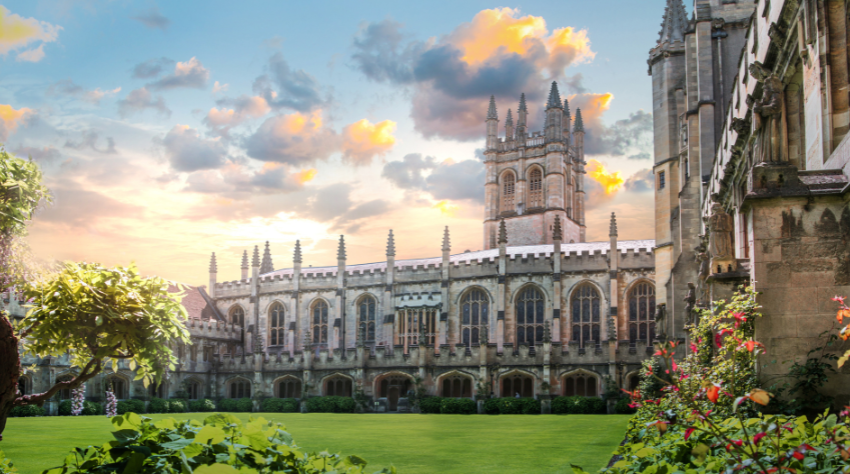
The city’s visual identity is immediately striking. The so-called “dreaming spires” rise above honey-coloured stone buildings, creating a skyline that feels cohesive rather than chaotic. Unlike many historic cities where landmarks are isolated, Oxford’s colleges are woven directly into everyday streets. You don’t simply visit history here—you move through it on your way to a café, a bookshop, or a pub.
For expats, this creates a unique experience: Oxford feels formal, but not inaccessible. Colleges such as Christ Church, Magdalen, and New College are architectural masterpieces, yet they are also working academic spaces. Walking through their quads and halls gives a sense of continuity—traditions carried forward rather than preserved behind barriers. This lived-in quality is what makes Oxford so compelling.
One of the best ways to experience the city is simply on foot. Oxford is compact, and wandering without a strict itinerary often leads to the most memorable moments: a hidden lane, a college chapel open to the public, or a quiet bench overlooking a courtyard. Museums such as the Ashmolean are free and world-class, making cultural exploration accessible and pressure-free.
Oxford also offers a strong connection to nature, something many expats don’t expect. The rivers Cherwell and Thames frame the city with green spaces and meadows. Punting—while often dismissed as touristy—is genuinely enjoyable, especially in warmer months. Floating slowly past college backs and tree-lined banks offers a peaceful counterpoint to the city’s intellectual weight.
Food and drink in Oxford reflect its character: understated but thoughtful. Traditional pubs play a central role in social life, many with literary or academic connections. Dining tends to be relaxed rather than flashy, with an emphasis on conversation. For expats, evenings in Oxford often feel more reflective than energetic—ideal for unwinding rather than overstimulation.
From a practical perspective, Oxford is extremely easy to visit. Frequent trains connect it to London and other major cities, making it a straightforward weekend trip without a car. Once there, public transport is minimal because walking covers almost everything you’ll want to see.
Oxford particularly suits expats who enjoy ideas, history, and calm exploration. It’s not a city of spectacle or nightlife-heavy weekends. Instead, it rewards patience, curiosity, and attention to detail. Many visitors leave feeling mentally refreshed rather than exhausted—something increasingly rare in modern travel.
A weekend in Oxford doesn’t shout for attention. It invites you to slow down, observe, and think. And for many expats navigating busy lives in the UK, that quiet invitation is exactly what makes Oxford unforgettable.
Final Reflections: Why Weekend Travel Matters for Expats in the UK
For expats, weekend travel in the UK is more than leisure—it’s integration. Each short trip deepens understanding of regional identities, landscapes, accents, and traditions that can’t be learned through daily routines alone.
Exploring places like Edinburgh, the Lake District, the Cotswolds, Brighton, York, Cardiff, the Scottish Highlands, and Bath reveals how varied the UK truly is. These experiences help expats move beyond surface-level familiarity and develop a more grounded sense of belonging.
Weekend trips also protect mental health. They break routine, reduce homesickness, and create shared memories with friends or family. Over time, these journeys often become the emotional anchors that turn a temporary relocation into a meaningful chapter of life.
The UK is uniquely suited to this kind of exploration. Distances are short, transport is accessible, and diversity is dense. For expats willing to step beyond their immediate surroundings, the rewards are immense.
In many cases, it’s these weekends—not the workdays—that make the UK feel like home.